
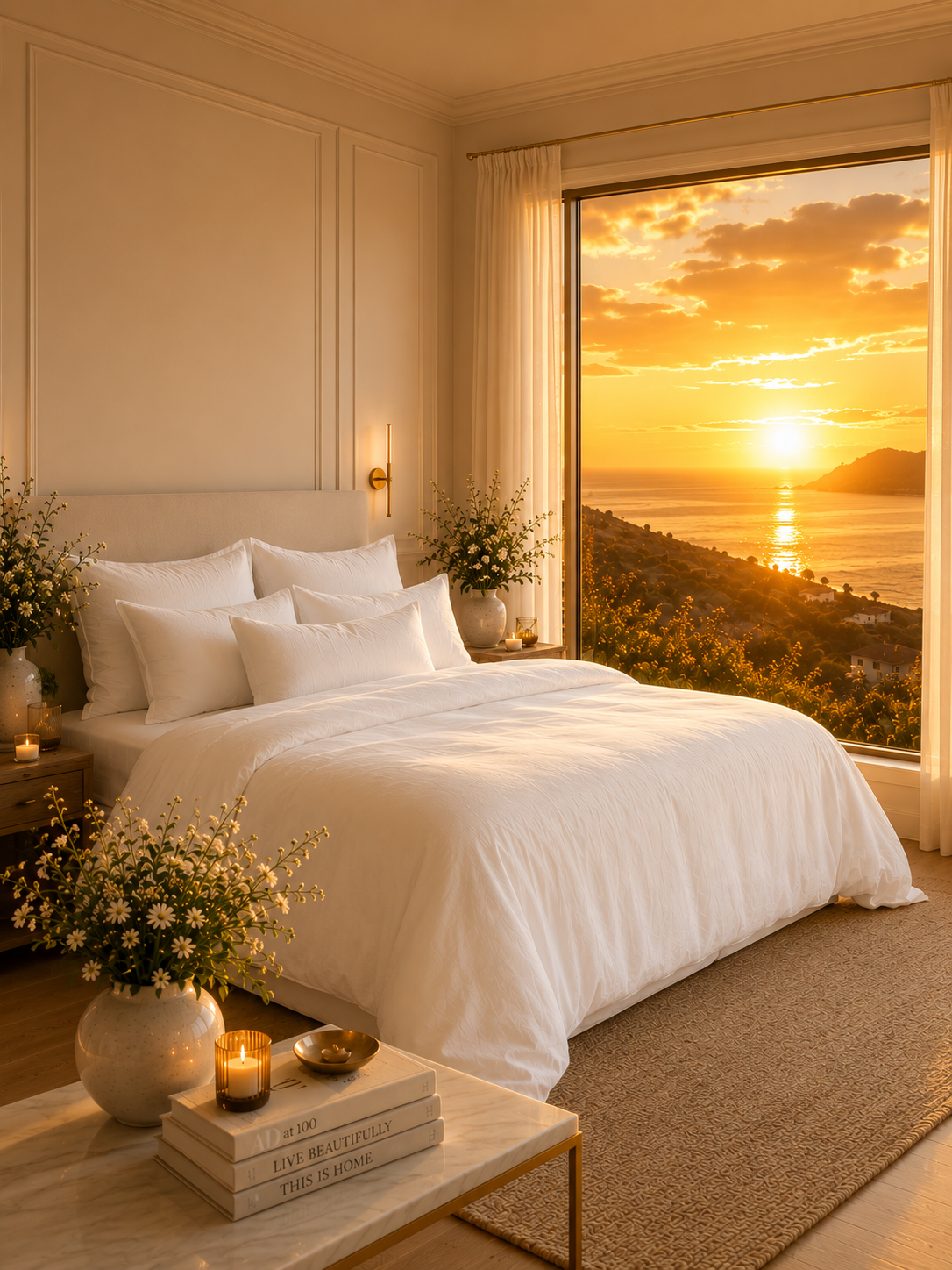
Many people think of the end of the school year or the opening of the neighborhood pool as the unofficial start of summer. While these cherished milestones often mark the beginning of the season’s activities and celebrations, the official arrival of summer is defined differently.
In the Northern Hemisphere, astronomical summer begins on the summer solstice, which falls on June 21, 2026. Meteorological summer, by contrast, always begins on June 1. Based on annual temperature patterns, meteorologists divide the calendar year into four equal seasons for more consistent climate tracking and recordkeeping.
Astronomical summer is determined by the Earth's tilt and its orbit around the sun, causing its start date to vary slightly from year to year, typically occurring on June 20 or June 21. According to the National Centers for Environmental Information of the National Oceanic and Atmospheric Administration (NOAA), the summer solstice marks the official beginning of astronomical summer and the longest day of the year in the Northern Hemisphere.
How Does the Summer Solstice Affect Sleep?
The summer solstice brings the longest day and shortest night of the year to the Northern Hemisphere. Prehistoric people observed the position of the sun each day, and it’s likely that rituals and ceremonies relating to the change of seasons were celebrated at monuments such as Stonehenge and Woodhenge, according to English Heritage. We wondered how the arrival of the longer days of summer affects us, specifically our sleep.
1. How Does the Summer Solstice Affect the Amount of Daylight?
The tilt of the earth as it circles the sun is the reason for the change in seasons. While the Northern Hemisphere tilts toward the sun during the summer solstice, we in the United States enjoy more hours of daylight and warmer temperatures. At the same time, those in the Southern Hemisphere, which is tilted away from the sun, are experiencing the winter solstice, shorter days, and cooler temperatures. During the autumnal equinox (September) and vernal equinox (March), the Earth’s tilt is neither toward nor away from the sun, “resulting in an equal amount of daylight and darkness at all latitude."
2. Is the Summer Solstice the Warmest Day of the Year?
The summer solstice may be the longest day of the year with the sun directly overhead; however, it is not normally the warmest day of the year. There is a lag between the longest day and the warmest day because the temperature of the earth’s surface and its atmosphere continue to climb until the sun drops lower in the sky a number of weeks after the summer solstice, according to the Albuquerque, NM, Weather Forecast Office of the National Weather Service.
3. How Do the Longer and Warmer Days of Summer Affect Our Sleep?
There are benefits to the extended hours of sunlight, particularly if you’re able to expose yourself to sunlight early in the day. As we discuss in detail in an earlier article, “5 Ways Light Can Affect Your Sleep,” linked below, morning light cues us to wakefulness to begin the day, improves our sleep at night, positively affects our moods, and hastens our recovery from jet lag.
Circadian rhythms, the 24-hour cycles of the body’s internal clock, promote sleepiness before bedtime, initiate sleep, and promote wakefulness before it’s time to wake up. These cycles of wake and sleep are affected by external cues, the sun being the strongest.
Sunlight can also wreck havoc with our melatonin production. Melatonin is a hormone produced in response to darkness that causes drowsiness as its levels rise. Exposure to light at night causes “the acute suppression of melatonin.” While the earlier sunrise may make it easier to get the morning light that supports waking, the extended daylight can delay melatonin production making it harder to fall asleep. Extending activities into evening hours can also trick your circadian rhythms into thinking it’s still daytime.
Summer also brings warmer weather. In general, sleep experts recommend keeping your bedroom at 60 to 67° F. The days of summer bring warmer nights, making it more difficult to keep your bedroom at an optimal temperature for sleeping.
There are, however, some simple things you can do to optimize your sleep in the longer, warmer days of summer.
4. What Can We Do to Protect Our Sleep During the Summer?
Take advantage of the morning sun. Natural daylight has been shown to not only advance the time of falling asleep but also to affect the duration of sleep and to improve sleep quality. Sleep disorders medicine doctor Lawrence Kline recommends we get bright light for 30-60 minutes every morning to promote that wakefulness. That light can come from taking a walk, sitting on the patio, or simply opening your curtains or blinds and sitting by the window while you have your breakfast or first cup of coffee.
Create the right sleep environment. Do the best you can to make your bedroom dark, cool, and quiet. That includes using an eye mask to block out daylight. Exchange your winter bedding for cool and light summer bedding. That means introducing 100% cotton sheets and putting away your winter-weight comforter in favor of a summer-weight comforter. Although you might be able to eliminate all noise, you might consider listening to binaural beats or to some type of soothing music. Music “can be an important element of your well-being and self-care on a daily basis.” Relaxing music triggers the mind and body to help prepare for sleep.
Keep to your bedtime routine. Keep a consistent bedtime and a regular routine in the 60-90 minutes before you lay down. That routine can include anything that helps your mind and body prepare for sleep, from a hot bath to writing in a journal. Read more in our previous article, “How to Create a Better Bedtime Routine and Improve Your Sleep,” linked below.
Enjoy the longer and warmer days of summer without sacrificing your sleep.
-Team at down etc
Read more:
How Does the Winter Solstice Affect My Sleep?
Do You Suffer from Seasonal Affective Disorder?
5 Ways Light Can Affect Your Sleep
How to Create a Better Bedtime Routine and Improve Your Sleep
About down etc
For over twenty years, down etc has worked with hoteliers and professional housekeepers in hotels around the world to manufacture and provide pillows and bedding that will offer hotel guests memorably great sleep. Through our retail website, we seek to provide products that will result in the same quality sleep for our customers at home. We believe in the restorative power of a great night’s sleep, whether at home or away. That’s the reason down etc wrote the book on it, Roll Into a Perfectly Made Bed: All You Need to Know About the Art of Bedmaking.
DISCLAIMER:You should not rely on any of the foregoing as a substitute for, nor does it replace, professional medical or health and wellness advice, diagnosis, or treatment by a healthcare professional. If you have specific concerns or a situation in which you require professional or medical advice, you should consult with an appropriately trained and qualified specialist, such as a licensed physician, psychologist, or other health professional. Never disregard the medical advice of a physician, psychologist, or other health professional, or delay in seeking such advice, because of the information or content offered or provided on the Site. The use of the Site and all information and content contained thereon is solely at your own risk.